If a piece is wonderful and has that potential to be even better, to be the first of all pieces, then why not share the advice on your mind to help the writer?" said teen writerRiddhima Shrivastava.
Teens all around the world entered enchanting pieces into our Fairytales & Myths Competition, highlighting the folklore and ancient tales of their culture. We are thrilled to reveal more about the extraordinary winners who stood out to Guest Judge Elisabeth Sharp McKetta!
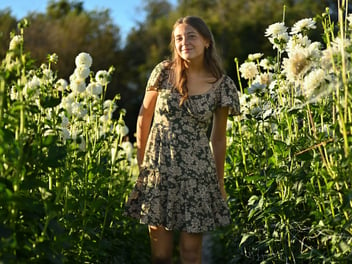
Winner: Magdalena Wager (Canada), age 14
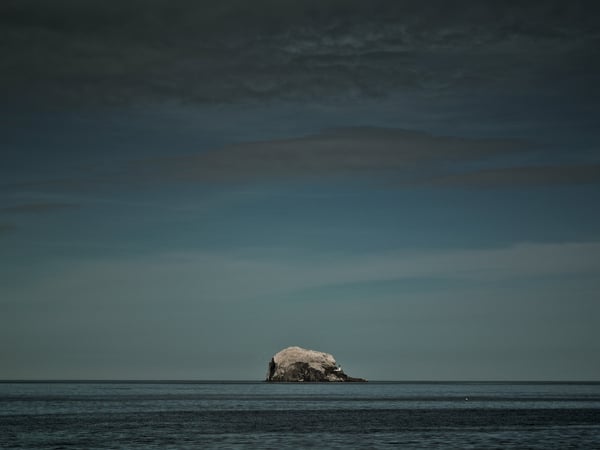
Read the winning piece here!
Guest Judge Elisabeth Sharp McKetta celebrates your piece, stating that "the suspense of what the sixth thing will be holds taut throughout the entire story." What insights do you have for other writers who hope to incorporate suspense into their piece?
I was actually worried about titling my short story "Six Things That a Lothian Cannot Trust" because I thought people would read the first line and assume that I had made a stupid mistake and accidentally written six instead of four in the title. However, it seems to have had a good effect and helped make the story more suspenseful, so that's a win! I always struggle with questions about the writing process, because I think that it's something you largely have to figure out for yourself through practice. I know that's not the answer that was wanted, but it's the truth. I have been writing for years and reading for longer, and that experience lets me know how to do things like place foreshadowing throughout a story to build up suspense. I believe that suspense depends on the tone of the story, the gut feeling the reader gets from the very beginning that something is not quite right. Withholding just enough information to keep readers engaged is key, as is making everything, down to the figurative language like "piercing blue eyes, sharp and unenchanted like the shards of a broken heart", as eerie as possible.
Why did you find interest in Queen Morgause as a character for your piece? What enticed you about this figure's complex personality?
As stated in my message to readers, this story re-imagines the character Queen Morgause of Lothian and Orkney (now regions of Scotland) from Arthurian legend. Specifically in T.H. White's The Once and Future King, Morgause is portrayed as a rather hostile character. In her first scene, she boils a black, blue-eyed cat alive as part of a little invisibility spell she's doing for fun, and then quits while sorting through its bones before she finds the one that will give her invisibility. In her next, her three sons with King Lot are so neglected by her that they go into the woods and butcher a unicorn just to get her attention, and when they bring her the head, she doesn't even care. After reading these scenes, I wanted to write a story that explained Morgause's strange personality and decision-making skills, and this was the outcome.
Runner-Up: Nnamani Diamond (Nigeria), age 17
Read the runner-up piece here!
What inspired this fascinating piece?
I got inspired by Isekais in anime and thought it would be funny to write about a human turned lizard as a manager.
Guest Judge Elisabeth Sharp McKetta praises the "humor and humanity" of your piece. Why did you choose comedy for this genre?
I chose comedy because I wanted to stand out from other entries. It's actually way off from what I usually write (I stick to fantasy mostly), and a serious mood would not fit the idea I was working with.
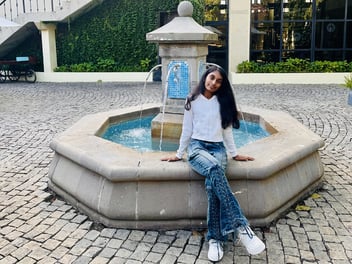
Best Peer Review: Riddhima Shrivastava (Portugal/India), age 14
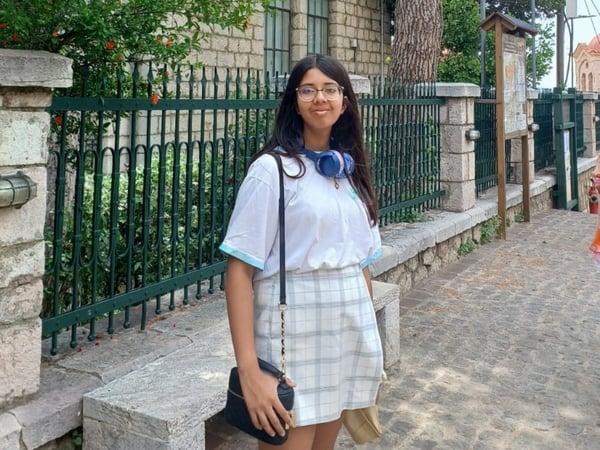
Read the winning peer review here!
How does writing peer reviews influence your own writing?
I like to think that analyzing writing from a critical viewpoint really teaches you how to improve your own pieces, be aware of what audiences like to read (but never let it limit your skills and preferences!), and improve your own self-checking habits. Of course, that's not always the case, because sometimes we can be our own harshest critics. But in other circumstances, it helps you build your literary voice and learn from others' mistakes so you don't make them yourself! Often, it teaches you how to build foundational editing and revising habits that help you dig deep past the surface of your own work and fix much, much more than just simple grammar and punctuation. I also find that if written in the right tone, reviews can make it easier to accept mistakes or revisions, making you less emotionally attached to the piece or averse to any kind of tips that'll help you improve in the long run.
You know that study trick where people learn better if they explain their own concept to someone? Well, it turns out it's the same with writing! Explain to someone in a friendly but analytical tone on how to improve, and hopefully, you'll remember it too.
What draws you to peer review a certain piece, and what do you hope the writer will take away from your feedback?
To be honest, I didn't prefer criticizing people's work before. I'm a bit of a people-pleaser, and I know what it feels like when you write something with your all, but there's still a sliver of improvement left in there (or so they say). However, whenever I read something that I find genuinely intriguing, something that has that specific epiphany-prompting, unable-to-be-put-down quality, I talk and think about it a lot. Most often, the pieces are on topics I already know, want to know about, or just learned and deem cool. If a piece is wonderful and has that potential to be even better, to be the first of all pieces, then why not share the advice on your mind to help the writer? Now, I can say that I like to think of ways to make anything seem better through my advice after reading a piece because I want to help people get all the way there. I know there are young writers out there like me, looking for ways to make their own skills book-worthy, and it's incredible how close Write-the-World has brought us together and turned random, writing-addicted strangers from across the world into happy acquaintances, or sometimes, even best friends! I hope that writers that receive feedback don't think that their pieces aren't good enough if people tell them that they can still be better (like I used to think). Instead, take it in a positive and uplifting manner from one person across the world to another. We all just want to help!