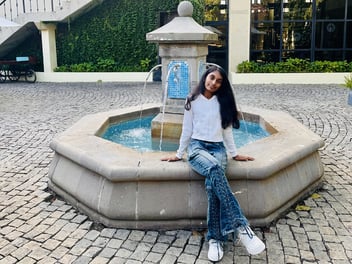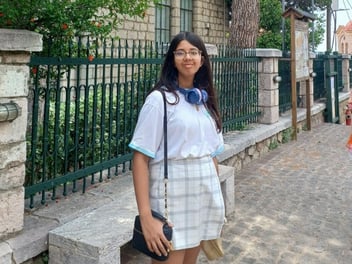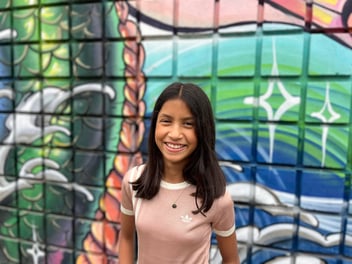

With over 2k entries submitted to our Personal Essay Competition, we know for a fact that Guest Judge Andy Trincia had no easy time selecting the winners. Yet out of such a talented pool of writers emerged the names Mila Trulock, Avaani Singh, and Riddhima Shrivastava, whom we had the opportunity of interviewing on their writing process in the exclusive Q&A below.
P.S. Check out Andy Trincia's commentary on the winning pieces here.
Winner: Mila Trulock, age 18, US
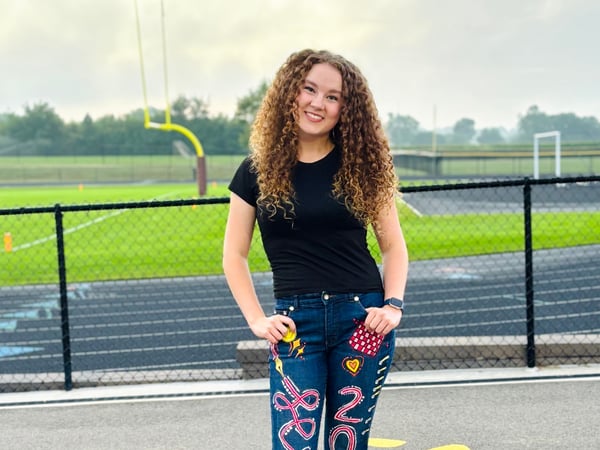
Read the winning piece here!
Guest Judge Andy Trincia stated that your narrative "unfolds into a tender, beautifully written tale about a mother-daughter relationship." Why did this topic call to you for our Personal Essay Competition?
This story is one that breathes life into the most valuable parts of who I am. It encapsulates a moment that has built my understanding of love, perseverance, and the quintessence of motherhood. I've recorded this tale in multiple journals and writing pieces over the years because, in the simplest of circumstances, it captures the caliber of compassion and sacrifice that is only exemplified by a mother, particularly my own. In every season of pain that I've experienced in my life, my mom has been the mediating rampart guarding me from my own self-destruction so I can find a place of resilience and strength. This essay is not only a letter of gratitude to her, but it is a love note to all of the mothers in the world who have never wavered in the pursuit of their children's happiness and welfare. When submitting my work to this competition, my greatest hope was that all daughters could remember the tender mercies of their own mothers, shaving them clean from their hindrances, fears, and insecurities.
How do you approach the art of personal essay writing? What advice do you have for other writers who want to attempt this genre?
The most critical element of composing a personal essay for me is finding what I like to call a "defining moment" --- an experience that has carried a deep significance in your life. The magnitude of this moment can be earth shattering or seemingly inconsequential, but what truly matters is the underlying meaning it has to you. The most banal and catastrophic bits of our lives all carry a thread of relatability that others can value too, and I have seen this virtue in the support that "Clean Shaven" has received through this competition. To anyone navigating the complexities of personal essay writing, I offer this advice: identify your own "defining moment" and adorn it with a creative touch. Never embellish the truth or distort the validity of your story, but enhance it with vivid descriptions, cohesive metaphors, and a vulnerable voice that resonates in the hearts of your readers.
Runner-Up: Avaani Singh, age 14, India
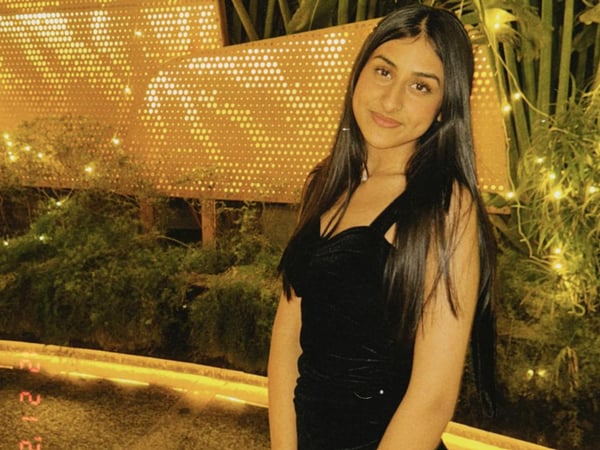
Read the runner-up piece here!
How would you describe your writing style, particularly in creative nonfiction? Guest Judge Andy Trincia praises your language and attention to detail throughout the piece, and for good reason!
To be honest, I’ve always been a bit of an over-writer (if there even exists such a thing!). I love to zoom into the small, ordinary things of everyday life because I feel that those are the most revealing. I also enjoy exploring emotions that are difficult to describe directly. Rather than saying exactly how someone feels, I often try to capture that feeling through images, comparisons, and observations. In creative nonfiction, I like blending reflection with storytelling, where the events themselves are important, but the meaning behind them is what stays with the reader. My writing style is probably best described as a reflection of how I think: I notice small things, and then I spend far too much time wondering what they mean.
In your message to readers, you shared that you "wrote this piece to represent how it feels to grow up and realise that there exist a large number of things that you can no longer control." Can you talk a little more about that?
I think growing up is a strange process because you slowly realise that the world is much more complicated than you once imagined. When we are younger, it is easy to believe that if we “do the right thing” everything will unfold exactly as planned. But as we grow older, we begin to understand the nuances of life and realize that there are many things we cannot predict or change. I wanted to capture that transition, not as something entirely negative, but as something confusing and necessary. Also, there’s something so debilitating and so freeing about accepting change, and it is precisely this juxtaposition and tempest of emotions that I attempted to articulate through the lens of a relatively mundane setting.
Best Peer Review: Riddhima Shrivastava, age 14, Portugal
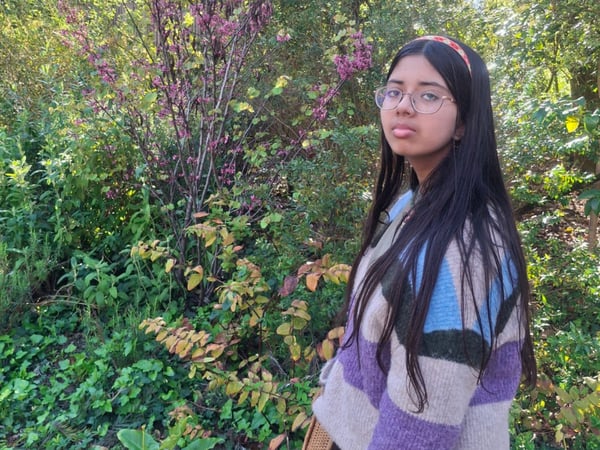
Read the winning peer review here!
How do you approach a fiction vs. creative nonfiction peer review?
Usually for a fiction review, I read it over carefully to ensure the world-building and general backstory remain consistent. If the storyline contains clichés, I gently advise the writer to move the story away from them or tweak some elements to make the narrative more unique. Creative nonfiction is slightly different, as it involves no worldbuilding elements. However, I do check the flow for awkward phrasing and ensure the pacing of events makes sense. Sometimes, the writer may place emphasis on moments that are less significant than others. For all these instances, I focus on the writer's main message and suggest ways to shorten or emphasize parts to convey that message concisely.
Guest Judge Andy Trincia celebrated your winning peer review for "[handling] the subject's sensitivity with care and compassion." What tips can you give other reviewers dealing with delicate topics?
There are several ways to handle any story review regardless of whether it was to your taste. I always start by highlighting my thoughts on the story in a single sentence, like 'The story was funny, yet thoughtful at the same time.' This gives me time to plan out further analysis instead of diving straight into the details. Balancing your thoughts also helps a lot. You should point out what works, and then pair it with slight improvements that could be made. I frame my improvements as suggestions that the writer could take if they want. Examining the writing evenly always works, as it doesn't tip towards extreme positives or negatives of any piece. Even if the style isn't one you would normally prefer, it's good to mention at least one thing the writer executed well in their narrative.